Key Takeaways
- The Strait of Hormuz is a critical global energy chokepoint.
- Regional conflicts can quickly disrupt shipping and raise logistics costs.
- Several industries are already feeling supply chain pressure.
- LPG disruptions are affecting QSR operations in India.
- The crisis highlights the need for more resilient supply chains.
A narrow stretch of water in the Middle East has suddenly become one of the most closely watched places in the global economy these days. Following US and Israeli strikes on Iran, tensions escalated rapidly and began affecting shipping routes around the Strait of Hormuz. Vessels were warned to avoid the corridor, missile attacks were reported near commercial shipping lanes, and major global carriers started suspending operations in the region.
Suddenly, the concern was no longer just military escalation. The real fear was that one of the world’s most important maritime corridors could become unsafe.
This matters because the Strait of Hormuz is not just another shipping route. It is one of the most critical chokepoints in the global economy. When traffic through this narrow passage slows down or stops, the effects ripple through energy markets, manufacturing industries, logistics networks, and even household budgets.
To understand why the current conflict is worrying governments and businesses around the world, you first have to understand what the Strait of Hormuz actually is.
What is the Strait of Hormuz?
The Strait of Hormuz is a narrow waterway located between Iran on one side and Oman and the United Arab Emirates on the other. It connects the Persian Gulf with the Arabian Sea, making it the primary route through which majority of Gulf oil and gas reach the rest of the world.
At its narrowest point, the strait is only about 33 kilometres wide, with two designated shipping lanes for vessels traveling in opposite directions. Despite its small size, it carries an extraordinary volume of global trade. Because so many energy exporters rely on this corridor, the Strait of Hormuz has long been considered one of the most strategically important shipping routes on the planet.
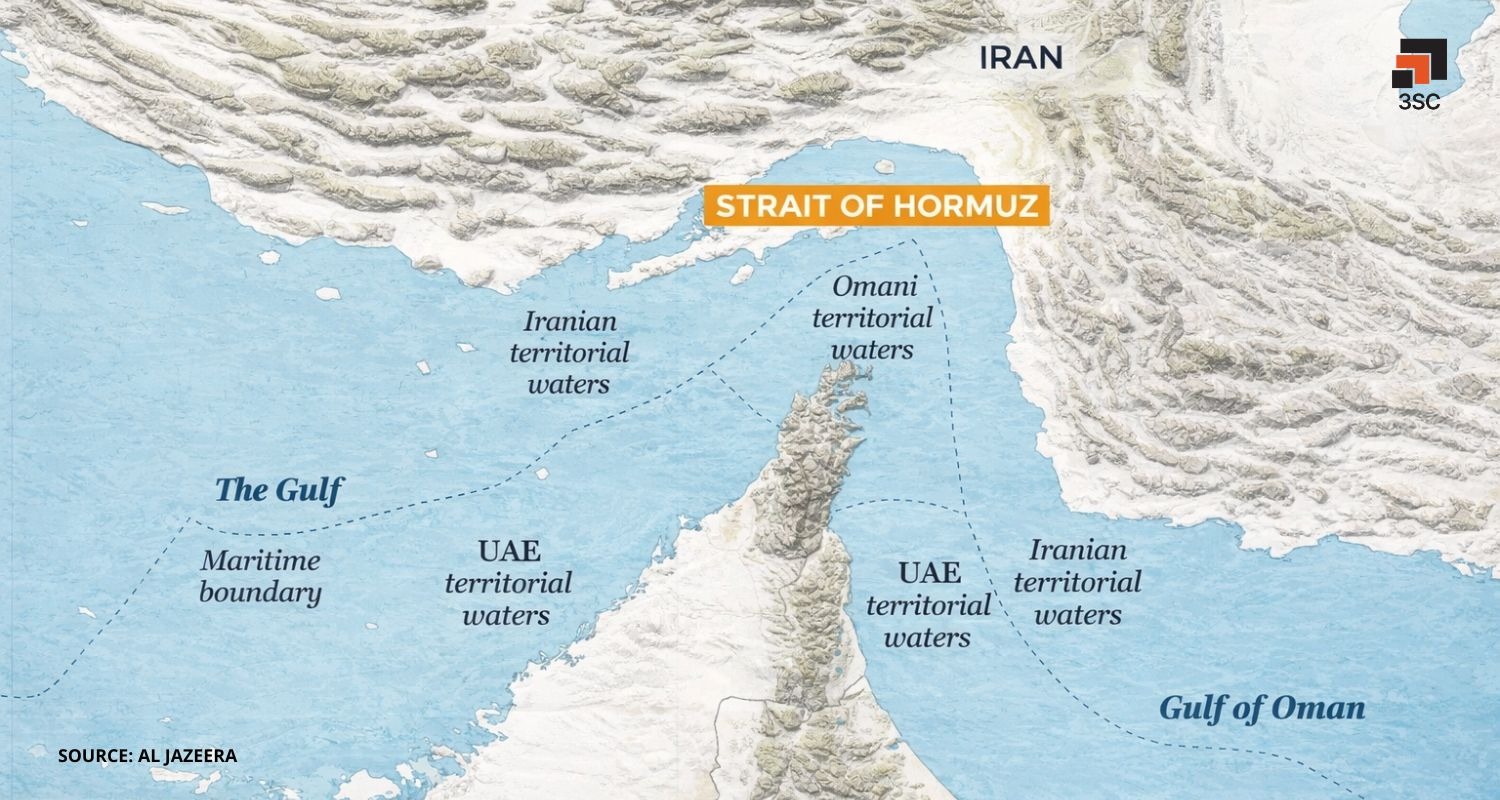
And the numbers behind it make that very clear.
Why the Strait of Hormuz is so important?
The importance of the Strait of Hormuz becomes obvious when you look at the scale of trade that passes through it.
Here are a few key facts:
- Around 20 million barrels of oil move through the strait every day, which is about 20% of global petroleum consumption.
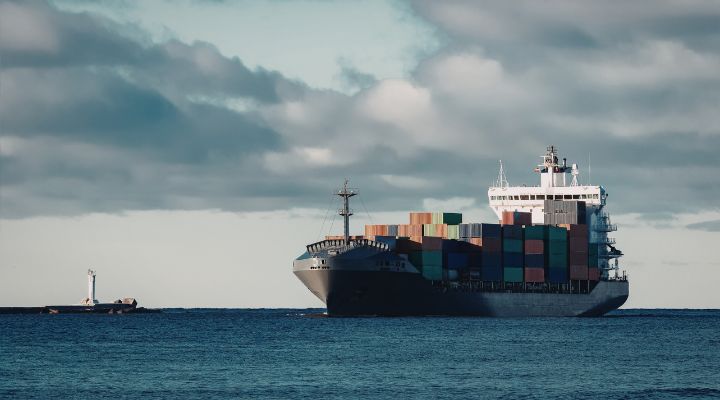
- Every month, roughly 3,000 ships pass through the strait, including some of the largest oil tankers in the world. The waterway is deep enough to handle these massive vessels, which transport energy supplies from major producers like Saudi Arabia, Iraq, Qatar, Kuwait, and the United Arab Emirates.
- Roughly one-fifth of global liquefied natural gas (LNG) shipments also travel through this corridor.
- In total, energy trade passing through the strait is worth hundreds of billions of dollars every year.
- More than 80% of the oil shipped through the strait is destined for Asian markets, particularly China, India, Japan, and South Korea.
In simple terms, the Strait of Hormuz acts as the main artery of the global energy system. A significant share of the fuel that powers industries, transportation networks, and electricity systems worldwide travels through this narrow passage.
This is why even the threat of disruption can send energy prices soaring. And that is exactly what began happening after the latest escalation in the region.
The Domino Effect: Industries Already Feeling the Shock
The disruption around the Strait of Hormuz is not just an energy story. It is also a supply chain disruption. When shipping through one of the world’s most important energy corridors becomes uncertain, the effects quickly spread across industries that rely on global sourcing, predictable shipping routes, and stable fuel costs.
Businesses, globally, are already facing several operational challenges such as:
- Longer delivery times as vessels avoid high-risk routes or take longer detours.
- Higher transportation costs driven by rising oil prices and increased war-risk insurance premiums.
- Margin pressure as logistics and input costs increases faster than companies can adjust pricing.
- Inventory stockouts when shipments are delayed or supply becomes unpredictable.
- Higher raw material costs, which eventually translate into higher prices for finished products.
These pressures are already being felt across several industries especially whose supply chains depend heavily on global trade and energy flows.
Industries Most Exposed to the Strait of Hormuz Disruption
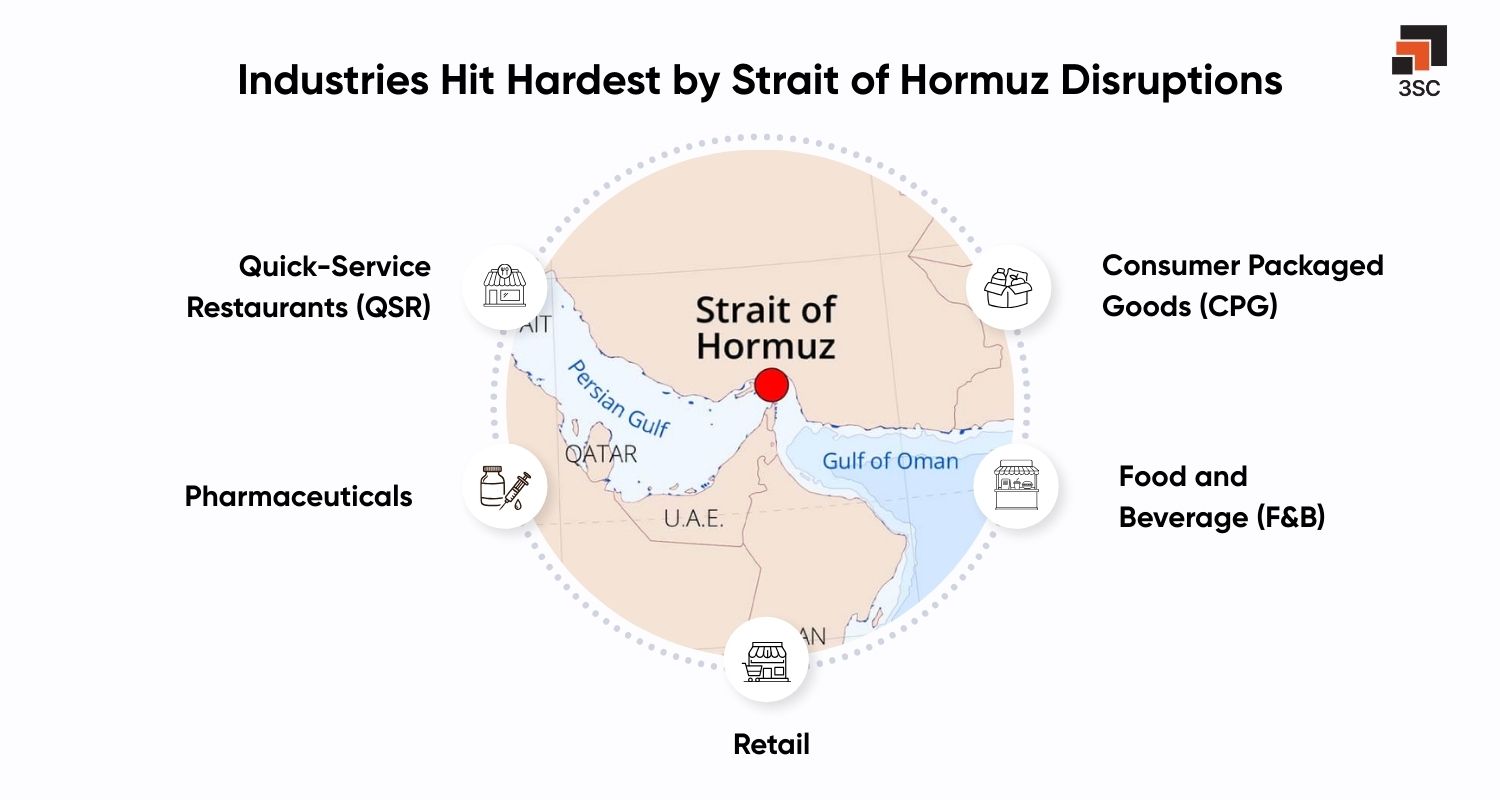
1. Consumer Packaged Goods (CPG)
Consumer packaged goods companies rely on large-scale distribution networks and stable input costs. Many products depend on plastic packaging, chemical ingredients, and transportation systems powered by oil and natural gas.
When shipping costs rise and raw materials become more expensive, CPG companies face higher production and distribution costs. At the same time, longer transit times can delay the movement of finished goods across warehouses and retail networks, increasing the risk of stockouts.
2. Food and Beverage (F&B)
Food supply chains operate on tight timelines and depend on reliable logistics networks. Many ingredients such as cooking oils, grains, spices, and processed inputs travel long distances before reaching food processing plants and retail markets.
When disruptions occur in key shipping routes like the Strait of Hormuz, the movement of these inputs can slow down. At the same time, higher fuel prices increase the cost of food processing, refrigeration, and transportation. For food companies, this can make it harder to maintain consistent production and stable supply across distribution networks.
3. Retail
Retailers depend on predictable product flows from suppliers and distribution centres. When freight costs rise and shipping routes slow down, retailers may struggle to replenish inventory on time. This can lead to empty shelves, delayed product launches, or increased inventory holding costs as companies try to maintain larger safety stocks.
4. Pharmaceuticals
Pharmaceutical supply chains are highly exposed to energy and shipping disruptions, particularly due to their reliance on petrochemical-based inputs and globally sourced APIs.
Recent disruptions linked to the Strait of Hormuz have already driven raw material cost increases of 30% to over 100% in some cases, putting significant pressure on generic drug manufacturers.
At the same time, shipping bottlenecks and container shortages are delaying the movement of critical inputs. With many pharma supply chains operating on just-in-time inventory models, even short disruptions can escalate quickly into production delays and potential medicine shortages within weeks.
5. Quick-Service Restaurants (QSR)
QSR operations are directly exposed to fuel supply disruptions, particularly LPG, which is essential for daily cooking operations.
India imports a significant portion of about 60% LPG supply from Gulf countries such as Qatar, Saudi Arabia, and the UAE and 90% of these shipments come travel through the Strait of Hormuz, making the supply chain vulnerable to disruptions in the region. As disruptions impact shipping routes, LPG supply becomes less predictable while prices rise.
This creates a dual challenge for QSR operators:
- Higher operating costs due to rising LPG prices
- Operational risk from delayed or inconsistent cylinder availability
Some restaurant operators have already begun adapting by adjusting menus, optimizing gas usage, or exploring alternative cooking equipment such as electric ovens and induction stoves. For QSR operators, this means managing both rising fuel costs and the risk of delayed LPG supplies.
6. Other Industries
Beyond these sectors, the ripple effects extend to industries such as e-commerce, consumer durables, electronics, and component manufacturing.
These industries depend heavily on global sourcing, predictable shipping timelines, and stable fuel costs. Disruptions in key trade corridors can delay inbound components, increase last-mile delivery costs, and create uncertainty in inventory planning.
For businesses operating on tight delivery timelines or seasonal demand cycles, even minor delays can lead to missed sales opportunities, higher working capital requirements, and reduced customer satisfaction.
In today’s interconnected economy, disruptions in a single chokepoint like the Strait of Hormuz don’t stay isolated, they cascade across industries, amplifying risk, cost, and complexity for businesses worldwide.
What businesses can do during supply chain disruptions
Businesses cannot control geopolitical conflicts, but they can prepare for the operational risks such events create. The recent tensions around the Strait of Hormuz highlight an important lesson for supply chain leaders: resilience is just as critical as efficiency.
Modern supply chains are often optimized for cost and speed, but disruptions in key trade corridors can quickly expose vulnerabilities. When a critical route such as the Strait of Hormuz faces instability, companies that rely heavily on global sourcing and just-in-time logistics may experience delays, cost spikes, and supply shortages.
To reduce exposure to these risks, businesses can take several proactive steps:
- Scenario analysis and contingency planning to model potential disruptions and prepare response strategies in advance.
- Decision-centric planning frameworks to enable faster, data-driven decisions during rapidly evolving situations.
- AI-driven decision delegation, where routine, low-risk decisions are automated through intelligent agents, freeing up leadership bandwidth to focus on high-impact, high-risk decisions that can significantly influence operations.
- Continuous risk monitoring and management to identify emerging geopolitical and supply chain risks in real time.
- End-to-end disruption management capabilities to respond quickly and minimize operational and financial impact.
- Supply base diversification and network redesign to reduce overdependence on single regions or trade corridors.
- Strategic inventory management to balance resilience with cost efficiency during periods of uncertainty.
While these measures cannot eliminate geopolitical risk entirely, they can significantly improve a company’s ability to respond quickly, protect margins, and maintain operational continuity when disruptions occur.
Conclusion: A narrow strait with global consequences
The Strait of Hormuz may appear small on the map, but its influence on the global economy is enormous. The recent escalation in the region has once again revealed how deeply global supply chains depend on a handful of critical chokepoints. When instability disrupts these routes, the consequences quickly move beyond geopolitics and into business operations affecting manufacturing costs, logistics networks, and even restaurant kitchens.
For companies operating in a globally connected marketplace, the lesson is increasingly clear: Geopolitical risk is now a core supply chain challenge, not a distant external factor.
As trade networks continue to expand and supply chains grow more complex, businesses will need to rethink how they balance efficiency with resilience. Companies investing in advanced AI-powered planning tools, real-time risk monitoring solutions, and end-to-end visibility platforms will be better equipped to anticipate and navigate future disruptions.
Because in today’s world, a disruption in a narrow strait thousands of kilometres away can quickly become a challenge for businesses everywhere.